Highlands Ecuador (La Sierra)
Welcome to the Highlands of Ecuador (La Sierra), where towering Andean peaks, emerald valleys, and indigenous traditions weave a tapestry of breathtaking beauty. From the colonial charm of Quito to the volcanic landscapes of Cotopaxi, this region offers adventure, culture, and serenity. Discover vibrant markets, thermal springs, and the enduring spirit of the Andes—a highland escape unlike any other.
Essentials
- Best Months to Visit: January, February, November, December
zone Facts
- Geographical Location: Mountainous region in central Ecuador, part of the Andes mountain range.
- Main City/Town: Quito (also the national capital).
- Approximate Area: N/A (varies by provincial boundaries within the Highlands).
- Key Geographical Features: Includes the Avenue of the Volcanoes (a series of towering peaks like Cotopaxi and Chimborazo), high-altitude páramo ecosystems, and inter-Andean valleys.
- Dominant Climate Type: Temperate highland climate with cool days and chilly nights; temperatures vary significantly with altitude.
- Population: N/A (densely populated but figures vary by province).
- Main Economic Activities: Agriculture (potatoes, maize, quinoa), dairy farming, textiles, and tourism (adventure, cultural, and eco-tourism).
- Common Languages/Dialects Spoken: Spanish (dominant), Kichwa (indigenous language widely spoken in rural areas).
- Best Time to Visit: June to September (dry season) for hiking and outdoor activities; December for festivals like Inti Raymi.
- Unique Selling Points:
- Home to some of the world's highest active volcanoes and UNESCO-listed colonial cities like Quito and Cuenca.
- Rich indigenous culture, including vibrant markets (e.g., Otavalo) and traditional festivals.
Top Destinations

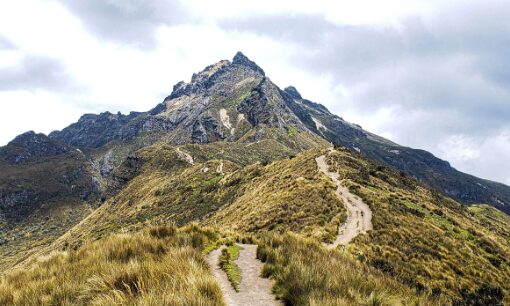
Rucu Pichincha
A must-visit peak in Pichincha Province, Rucu Pichincha offers breathtaking…
Read More

No related attractions found for this zone.
Tours and Day Trips
Cotopaxi National Park Adventure
Explore the breathtaking landscapes of Cotopaxi National Park, home to one of the world's highest active volcanoes. This full-day tour typically includes hiking around Limpiopungo Lagoon, spotting wild horses, and, for the adventurous, a bike ride down the volcano's slopes. The park is about 1.5 hours from Quito, making it an ideal day trip for nature lovers and thrill-seekers.
- Duration: Full day (8-10 hours)
- Best for: Adventure seekers, nature enthusiasts, and photographers
Otavalo Market & Indigenous Culture
Immerse yourself in the vibrant culture of Ecuador's indigenous communities with a visit to the famous Otavalo Market. Located just 2 hours from Quito, this bustling market offers handwoven textiles, traditional crafts, and local delicacies. The tour often includes stops at nearby artisan villages like Peguche and the stunning Cuicocha Crater Lake. Perfect for families and culture buffs.
- Duration: Half-day to full day (4-8 hours)
- Best for: Families, shoppers, and cultural explorers
Quilotoa Lagoon Trek
Discover the mesmerizing turquoise waters of Quilotoa Lagoon, a volcanic crater lake nestled in the Andes. This day trip often includes a scenic hike along the crater rim or a descent to the lake's edge, with optional kayaking. The lagoon is roughly 3 hours from Quito, offering stunning views and a peaceful escape for hikers and nature lovers.
- Duration: Full day (10-12 hours)
- Best for: Hikers, photographers, and those seeking tranquility
Devil's Nose Train Ride
Experience one of Ecuador's most iconic rail journeys aboard the Devil's Nose Train. This thrilling ride descends steep switchbacks through dramatic Andean landscapes, offering unparalleled views. The tour often includes stops at indigenous villages and the historic town of Alausí. Ideal for history enthusiasts and those looking for a unique travel experience.
- Duration: Full day (10-12 hours)
- Best for: History buffs, train enthusiasts, and scenic travelers
Mindo Cloud Forest Exploration
Venture into the lush Mindo Cloud Forest, a biodiversity hotspot just 2 hours from Quito. This tour typically includes birdwatching (home to hundreds of species, including hummingbirds), butterfly farms, and canopy zip-lining. The misty forests and cascading waterfalls make it a paradise for eco-tourists and adventure lovers.
- Duration: Full day (8-10 hours)
- Best for: Birdwatchers, nature lovers, and adrenaline junkies
When to visit
Seasonal Breakdown
The Highlands of Ecuador, known as "La Sierra," experience a temperate climate year-round due to their elevation. The region has two primary seasons: the dry season (June to September) and the wet season (October to May). Unlike tropical zones, temperatures remain relatively stable, but rainfall and sunshine vary significantly.
Dry Season (June to September)
Weather: Days are sunny and crisp, with temperatures ranging from 10°C to 20°C (50°F to 68°F). Nights can be chilly, dropping to 5°C (41°F) or lower. Rainfall is minimal, making it ideal for outdoor activities.
- Pros: Best for hiking, sightseeing, and exploring the Andes. Clear skies offer stunning views of volcanoes like Cotopaxi and Chimborazo.
- Cons: Peak tourist season, so expect higher prices and crowded attractions.
- Events: Inti Raymi (June), a vibrant indigenous festival celebrating the sun god, and Independence Day (August 10) with parades and cultural events.
Wet Season (October to May)
Weather: Frequent afternoon showers, especially from October to December and March to May. Temperatures range from 8°C to 18°C (46°F to 64°F). Humidity is higher, and mist often blankets the highlands.
- Pros: Lush, green landscapes and fewer tourists. Lower accommodation rates and a more authentic local experience.
- Cons: Rain can disrupt travel plans, and some trails may be muddy or closed.
- Events: Day of the Dead (November 2), featuring colorful cemeteries and traditional foods, and Carnival (February or March), with water fights and street parties.
Overall Recommendation
The best time to visit the Highlands of Ecuador depends on your priorities:
- For outdoor enthusiasts: June to September offers the driest and sunniest conditions.
- For budget travelers and culture seekers: October to May provides lower prices and unique festivals, though be prepared for rain.
- For a balance: April-May or September-October are shoulder seasons with moderate weather and fewer crowds.
Considerations
Peak season (June-September) sees higher prices for flights and hotels, while the wet season offers discounts but requires flexibility. Pack layers regardless of the season—mornings and evenings are cool, and weather can change quickly in the mountains.
What to pack
What to Pack for Highlands Ecuador (La Sierra)
The highlands of Ecuador, or "La Sierra," are known for their dramatic Andean landscapes, cool temperatures, and unpredictable weather. Packing smartly ensures comfort whether you're exploring colonial cities, hiking volcanic trails, or visiting indigenous markets.
Clothing & Layering
- Thermal base layers: Mornings and evenings can be chilly, especially at higher altitudes.
- Lightweight fleece or down jacket: Compact warmth for variable mountain weather.
- Waterproof windbreaker: Sudden rain showers are common, even in dry seasons.
- Comfortable walking shoes with grip: Cobblestone streets and uneven trails demand sturdy footwear.
Outdoor & Adventure Gear
- Sun protection (hat, sunglasses, high-SPF sunscreen): UV rays are intense at high elevations.
- Reusable water bottle: Stay hydrated to combat altitude sickness; many refill stations are available.
- Daypack with rain cover: Essential for carrying layers and gear during hikes or day trips.
Health & Practical Items
- Altitude sickness remedies (e.g., coca tea bags or medication): Quito and other cities sit above 2,800m (9,200ft).
- Hand sanitizer and tissues: Public restrooms often lack supplies.
- Small bills in USD (Ecuador's currency): Useful for markets, tips, and rural areas with limited ATMs.
Getting there
By Air
The primary international gateway to the Highlands Ecuador (La Sierra) is Mariscal Sucre International Airport (UIO) in Quito. This airport serves numerous international and domestic flights. From UIO, travelers can reach the Highlands via:
- Taxi or Ride-hailing: Prepaid taxis or apps like Uber are available for direct transfers to cities like Quito, Cuenca, or Riobamba (1-4 hours depending on destination).
- Bus: Local buses or shuttles connect the airport to Quito's main bus terminals, where travelers can transfer to long-distance buses into the Highlands.
- Rental Car: Major rental agencies operate at UIO; driving into the Highlands is straightforward via the Pan-American Highway (E35).
Tip: Quito's altitude (2,850m) can cause mild altitude sickness; hydrate and rest upon arrival.
By Bus/Coach
Long-distance buses are the most common and affordable way to reach the Highlands from other regions of Ecuador. Key routes include:
- From Guayaquil: Buses depart from Terminal Terrestre to Quito (8-10 hours) or Cuenca (4 hours).
- From Coastal Cities (e.g., Manta, Esmeraldas): Direct buses to Quito or Ambato (6-8 hours).
- From the Amazon (e.g., Tena, Puyo): Buses climb into the Highlands via winding mountain roads (4-6 hours).
Tip: Book with reputable companies like Transportes Ecuador or Flota Imbabura for comfort and safety. Night buses save time but can be chilly.
By Car (Driving)
The Pan-American Highway (E35) runs north-south through the Highlands, connecting major cities like Quito, Ambato, Riobamba, and Cuenca. Driving conditions vary:
- Main Routes: Well-paved but mountainous; expect sharp curves and occasional fog.
- Rural Areas: Some secondary roads are unpaved; a 4x4 is recommended for remote villages or parks like Cotopaxi.
Tip: Fuel up in cities—stations are sparse in rural zones. Check road conditions during rainy season (Oct-May).
By Train
While Ecuador's rail network is limited, the Tren Crucero offers scenic rides between Quito and Guayaquil, stopping in Highlands towns like Riobamba. From these stops, travelers can continue by bus or taxi.
Tip: The train is more for sightseeing than efficiency; book tickets in advance via Ferrocarriles del Ecuador.
Getting around
Public Buses and Colectivos
Public buses and colectivos (shared vans) are the backbone of transportation in the Highlands. They connect major cities like Quito, Cuenca, and Riobamba with smaller towns and rural areas. Buses are frequent and affordable, with fares typically ranging from $0.50 to $5 depending on distance. Colectivos are faster but slightly more expensive. Tickets are purchased onboard, and routes are often displayed on the windshield.
- Look for bus terminals (terminal terrestre) in cities for long-distance routes.
- Colectivos depart when full, so expect some waiting time.
- Keep small bills handy, as drivers rarely give change for large denominations.
Taxis and Ride-Sharing
Taxis are widely available in urban areas and can be hailed on the street or booked via phone. Ride-sharing apps like Uber and Cabify operate in Quito and Cuenca. Always ensure the taxi has a meter (taxímetro) or agree on a fare beforehand. Short rides within cities cost $3–$10, while intercity trips are negotiable.
- Official taxis are yellow with license plates and registration numbers.
- For safety, avoid unmarked vehicles, especially at night.
Walking and Cycling
Many towns in the Highlands, like Otavalo and Baños, are highly walkable with compact centers. Bike rentals are available in tourist hubs like Baños ($5–$15/day), often with maps for scenic routes. Dedicated bike paths are rare, but quieter rural roads are ideal for cycling.
- Altitude can make walking strenuous—pace yourself and stay hydrated.
- For longer hikes or bike trips, check weather conditions, as mountain weather changes rapidly.
Car and Scooter Rentals
Renting a car or scooter is practical for exploring remote areas like the Avenue of the Volcanoes. International agencies operate in Quito and Cuenca, with daily rates starting at $30 for cars and $15 for scooters. Note that driving in cities can be chaotic, and rural roads may be unpaved.
- A valid driver’s license and passport are required for rentals.
- 4x4 vehicles are recommended for high-altitude or off-road routes.
Unique Local Transport
The TelefériQo cable car in Quito offers stunning views of the Andes and connects to hiking trails. In smaller towns, chivas (colorful open-air buses) are used for short trips or tourist excursions. Tuk-tuks are rare but may appear in rural areas.
- TelefériQo tickets cost around $9 and include access to trails at Cruz Loma.
- Chiva rides are often festive, with music and drinks—great for group outings.
Culture
Cultural Identity of the Highlands
The Highlands of Ecuador (La Sierra) are a tapestry of Indigenous and colonial influences, where Quechua traditions intertwine with Spanish heritage. This region is defined by its rugged Andean landscapes, vibrant markets, and deeply rooted festivals that celebrate both ancestral and Catholic beliefs. Unlike the coastal or Amazonian regions, La Sierra's culture is shaped by its high-altitude agrarian lifestyle, with communities maintaining centuries-old customs in weaving, music, and communal labor systems like the minga.
Indigenous Traditions & Festivals
Indigenous identity remains strong here, particularly among the Kichwa communities. Festivals like Inti Raymi (the Sun God festival) blend pre-Columbian rituals with Catholic elements, featuring elaborate dances, flute music, and ceremonial corn beer (chicha). In Otavalo, the Pawkar Raymi celebrates the harvest with flower displays and parades in traditional attire. Smaller towns honor local saints with processions where participants don colorful masks and costumes, such as the Diablada in Píllaro.
Arts & Handicrafts
La Sierra is renowned for its textile artistry, especially in Otavalo, where handwoven alpaca wool ponchos and intricate backstrap loom fabrics are cultural signatures. The town of Salasaca is famous for its tapestries, which depict mythological stories in bold designs. Other crafts include:
- Tagua nut carvings (vegetable ivory) in San Antonio de Ibarra
- Leatherwork and handmade guitars in Cotacachi
- Pottery in the Imbabura region, using techniques unchanged since pre-Inca times
Cuisine of the Highlands
Highland cuisine revolves around hearty, warming dishes suited to the cool climate. Staples include llapingachos (potato-cheese patties), locro de papa (potato-cheese soup), and cuy asado (roasted guinea pig), often served during festivals. Street vendors offer hornado (slow-roasted pork) and empanadas de morocho (cornmeal turnovers). Unique to the region is canelazo, a spiced cinnamon-and-sugar-cane-liquor drink served hot.
Music & Language
Andean folk music, played on quenas (flutes), charangos (small guitars), and bombos (drums), accompanies festivals and communal gatherings. In rural areas, many speak Kichwa alongside Spanish, with distinct dialects varying by valley. The yaraví, a melancholic musical style, reflects the region's poetic storytelling traditions.
Social Customs & Daily Life
Community is central to Highland life. The minga system—collective labor for public projects—persists in villages. Respect for elders and reciprocity (ayni) are key values. Visitors might witness limpia ceremonies, where shamans use herbs and eggs for spiritual cleansing. Markets like Otavalo's Plaza de Ponchos are social hubs where bargaining is expected, but always with polite negotiation.




